Wicker, Wire or Wood? Comparing the Best Bread Baskets for Home and Hospitality
The humble bread basket serves as more than just a storage solution—it's a statement piece that can elevate your dining experience, enhance your kitchen aesthetics, and play a crucial role in maintaining the quality of your baked goods. Whether you're a home cooking enthusiast or managing a bustling restaurant, choosing the right bread basket material can make a significant difference in both functionality and presentation. Today, we'll explore the three most popular bread basket materials: wicker, wire, and wood, examining their unique characteristics, benefits, and ideal use cases.
The Timeless Appeal of Wicker Bread Baskets
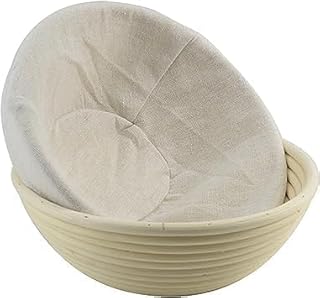
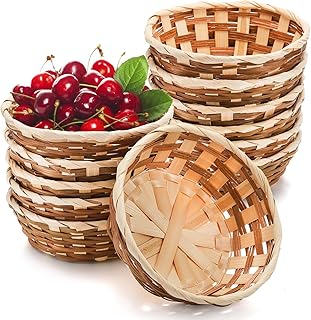
Wicker bread baskets have graced dining tables for centuries, offering a classic, rustic charm that never goes out of style. Made from woven natural materials like rattan, bamboo, or willow, these baskets bring warmth and organic beauty to any setting.
Advantages of Wicker Baskets
The primary strength of wicker lies in its natural insulation properties. The woven construction creates tiny air pockets that help maintain bread temperature while allowing for gentle air circulation. This makes wicker baskets excellent for keeping freshly baked bread warm during meals without causing condensation that could make the crust soggy.
From an aesthetic standpoint, wicker baskets offer unmatched versatility. They complement both casual and formal dining settings, seamlessly blending with farmhouse-style kitchens, Mediterranean décor, and even modern minimalist spaces. The natural variations in color and texture of wicker materials mean that each basket has its own unique character.
Wicker baskets are also incredibly lightweight, making them easy to move between kitchen and dining room. Their flexibility allows them to withstand minor impacts without breaking, unlike more rigid materials. For hospitality businesses, this durability translates to longer-lasting tableware that can endure the demands of busy service.
Considerations for Wicker
However, wicker baskets do require more maintenance than their counterparts. The woven structure can trap crumbs and food particles, making thorough cleaning challenging. They're also susceptible to moisture damage and can harbor bacteria if not properly maintained. In high-humidity environments or commercial settings with strict hygiene requirements, this can be a significant drawback.
The natural materials used in wicker construction can also fade or become brittle over time, especially when exposed to direct sunlight or extreme temperature changes. This means that while wicker baskets are durable in terms of impact resistance, they may not have the longest lifespan in demanding environments.
The Modern Functionality of Wire Bread Baskets
Wire bread baskets represent the perfect marriage of form and function, offering sleek, contemporary aesthetics combined with practical benefits that make them increasingly popular in both home and commercial settings.
The Benefits of Wire Construction
The open design of wire baskets provides superior air circulation, which is crucial for maintaining bread quality. This enhanced airflow prevents moisture buildup that can lead to soggy bottoms or accelerated spoilage. For bakeries and restaurants that need to keep bread fresh throughout service, this circulation advantage is invaluable.
Hygiene is another major advantage of wire baskets. The simple construction with minimal joints and crevices makes them incredibly easy to clean and sanitize. They can typically be washed in commercial dishwashers, making them ideal for businesses that need to maintain strict cleanliness standards. The non-porous metal surface doesn't harbor bacteria or absorb odors, ensuring food safety compliance.
From a design perspective, wire baskets offer a clean, modern aesthetic that works well in contemporary settings. Available in various finishes including chrome, stainless steel, and powder-coated colors, they can complement any décor style. The minimalist design also makes the bread itself the focal point, which is particularly appealing in artisanal bakeries or upscale restaurants where the quality of the bread is a key selling point.
People Also Look For:
- Handmade Wicker Bread Basket for Serving Sourdough Bread and Pastires with Removable Liner and Cover Bread Storage Container and F...
- Kopinma Wicker Bread Storage Baskets, Woven Fruit Basket, Rattan Vegetables Fruit Basket, Stackable Food Baskets, Farmhouse Snack ...
- ZEONHAK 3 Pack 30 x 20 x 7cm Imitation Wicker Woven Bread Baskets, 11.8 x 8 x 2.75 Inch Brown Rectangular Poly Food Storage Basket...
- MANCHAP 3 PCS 40 x 30 x 8cm Rectangular Poly Wicker Bread Basket, 15.7 x 11.8 x 3 Inch Imitation Rattan Woven Basket, Wicker Fruit...
- Sourdough Proving Basket Oval, Bread Banneton Proofing Basket Set, Natural Rattan Bread Proofing Basket, Versatile Practical Bread...
Wire baskets are also incredibly durable and long-lasting. Quality stainless steel or chrome-plated wire baskets can withstand years of heavy use without showing significant wear. They're resistant to temperature changes, moisture, and impact damage, making them a cost-effective long-term investment.
Wire Basket Limitations
The main drawback of wire baskets is their lack of insulation properties. While the open design promotes air circulation, it also means that bread will cool more quickly, which may not be ideal for situations where you want to keep bread warm throughout a meal. Additionally, the wire construction can sometimes leave marks on softer breads if they're pressed against the basket.
Some people also find that the industrial appearance of wire baskets, while modern and clean, lacks the warmth and character that natural materials provide. In settings where ambiance and traditional aesthetics are important, wire baskets might feel too stark or commercial.
The Natural Elegance of Wood Bread Baskets
Wooden bread baskets offer a perfect middle ground between the rustic charm of wicker and the functionality of wire, providing both aesthetic appeal and practical benefits that make them suitable for a wide range of applications.
Wood's Unique Properties
Wood naturally regulates moisture, absorbing excess humidity while releasing it when the environment becomes too dry. This property makes wooden bread baskets excellent for maintaining optimal bread storage conditions. The natural antimicrobial properties found in many wood species, such as bamboo and certain hardwoods, provide an additional layer of food safety.
The warm, natural appearance of wood creates an inviting atmosphere that enhances the dining experience. Unlike manufactured materials, each wooden basket has unique grain patterns and color variations that add character and authenticity to table settings. Wood also ages gracefully, developing a rich patina over time that adds to its appeal.
From a sustainability perspective, wooden baskets are often the most environmentally friendly choice, especially when sourced from responsibly managed forests or made from fast-growing materials like bamboo. They're biodegradable and can be composted at the end of their useful life, making them attractive to environmentally conscious consumers and businesses.
Wooden baskets also offer good durability when properly maintained. They can withstand normal use for many years, and minor scratches or dents can often be sanded out and refinished, extending their lifespan significantly.
Wood Maintenance Requirements
The main consideration with wooden bread baskets is their maintenance requirements. Wood needs regular care to prevent cracking, warping, or bacterial growth. They should be hand-washed with mild soap and thoroughly dried after each use. Periodic oiling with food-safe mineral oil or specialized wood conditioners is necessary to maintain their appearance and prevent the wood from drying out and cracking.
Wooden baskets are also more susceptible to damage from moisture exposure than wire alternatives. They shouldn't be soaked in water or put in dishwashers, which can be inconvenient in busy commercial settings. Additionally, they can absorb odors and stains if not properly maintained, requiring more careful handling than non-porous alternatives.
Choosing the Right Material for Your Needs
Home Use Considerations
For home use, the choice often comes down to personal preference and your specific dining style. If you frequently host dinner parties and want to create a warm, welcoming atmosphere, wicker baskets offer unmatched charm and are perfect for maintaining bread temperature during long meals. They work particularly well in traditional or country-style homes.
Wood baskets are ideal for everyday use in homes where appearance and functionality are equally important. They're particularly suitable for families who bake regularly and want a basket that will age beautifully with use. The natural moisture regulation properties of wood make these baskets excellent for storing homemade bread.
Wire baskets are perfect for modern homes where clean lines and easy maintenance are priorities. They're also the best choice for households where hygiene is a primary concern, such as those with family members who have compromised immune systems or severe allergies.
Commercial and Hospitality Applications
In commercial settings, the decision often prioritizes functionality and maintenance ease over pure aesthetics, though appearance remains important for customer-facing applications.
High-volume restaurants and cafeterias typically benefit most from wire baskets due to their ease of cleaning and sanitizing. The ability to run them through commercial dishwashers between services is invaluable in busy kitchens where time and labor efficiency are crucial.
Upscale restaurants and boutique hotels might prefer wooden baskets for their sophisticated appearance and natural properties, provided they have the staff time for proper maintenance. The investment in maintenance pays off through enhanced ambiance and customer experience.
Bakeries and artisanal bread shops often choose wicker baskets for display purposes, as they complement the handcrafted, traditional image these businesses want to project. However, they might use wire baskets for back-of-house operations where hygiene and efficiency take precedence.
Care and Maintenance Guidelines
Wicker Basket Care
To maintain wicker baskets, regularly remove crumbs and debris with a soft brush or vacuum attachment. For deeper cleaning, use a damp cloth with mild soap, but avoid soaking the basket. Allow to air dry completely before use, and store in a dry location away from direct heat sources.
Wire Basket Maintenance
Wire baskets require minimal maintenance. Simply wash with warm, soapy water or run through the dishwasher. For commercial settings, they can be sanitized with standard food service sanitizers. Periodically check for any coating damage and address it promptly to prevent rust.
Wood Basket Preservation
Clean wooden baskets with mild soap and warm water, rinse thoroughly, and dry immediately. Oil regularly with food-safe mineral oil to prevent cracking and maintain appearance. Sand lightly and re-oil if the surface becomes rough or shows wear.
Making Your Final Decision
The best bread basket material for your needs depends on balancing aesthetics, functionality, maintenance requirements, and budget considerations. Consider your usage patterns, cleaning protocols, and the overall atmosphere you want to create.
For most home users, wicker or wood baskets offer the best combination of function and form, with the choice between them depending on whether you prioritize traditional charm (wicker) or natural functionality (wood). Commercial operations should carefully weigh the maintenance requirements against their operational capacity and brand image goals.
Regardless of which material you choose, investing in quality construction will ensure years of reliable service and enjoyment. A well-chosen bread basket becomes more than just a functional item—it becomes part of the ritual and pleasure of sharing good bread with others.
Summary
Wicker baskets offer timeless aesthetic appeal and natural insulation properties, making them ideal for maintaining bread temperature and creating warm dining atmospheres. However, they require more maintenance and can harbor bacteria if not properly cared for.
Wire baskets provide superior air circulation and hygiene benefits with minimal maintenance requirements, making them perfect for commercial settings and modern homes. They lack insulation properties and may appear too industrial for some settings.
Wood baskets combine natural beauty with moisture-regulating properties and antimicrobial benefits. They offer sustainability advantages but require regular maintenance to prevent damage and ensure longevity.
The choice depends on your priorities: choose wicker for traditional charm and warmth retention, wire for hygiene and modern aesthetics, or wood for natural functionality and sustainable elegance. Consider your maintenance capacity, usage patterns, and desired ambiance when making your decision.